
General & Specialized Neurology Content
Trusted Care for Brain, Spine & Nervous System Conditions
When you need expert attention, you want a healthcare team you can trust. At Methodist Le Bonheur Healthcare, we partner with University of Tennessee Health Science Center to offer the latest methods of finding and treating illnesses that affect your brain, neck, back and nervous system.
As an academic medical center, we’re on the leading edge of neurological care. That means you have access to the latest treatments. You can be confident you’re getting care from an experienced team that puts your health and well-being first.
General & Specialized Neurology
Our neurologists specialize in treating brain, spine and nervous system problems related to memory, balance, vision, speech, hearing and movement. You may be referred to a neurologist to discover what’s causing symptoms such as dizziness, headaches, numbness, weakness, swallowing problems and others. We work with experts in imaging services, hearing, vision, physical rehabilitation and other medical specialties to give you complete care. It’s comforting to know you have an expert team at your side.
Brain & Spine Conditions We Treat
You can get exceptional care for a wide range of brain, spine and nervous system conditions and illnesses. You’ll know what to expect every step of the way, throughout diagnostic testing, treatment and recovery. Treatment planning is designed just for you and focuses on enhancing your health and helping you feel better as soon as possible.
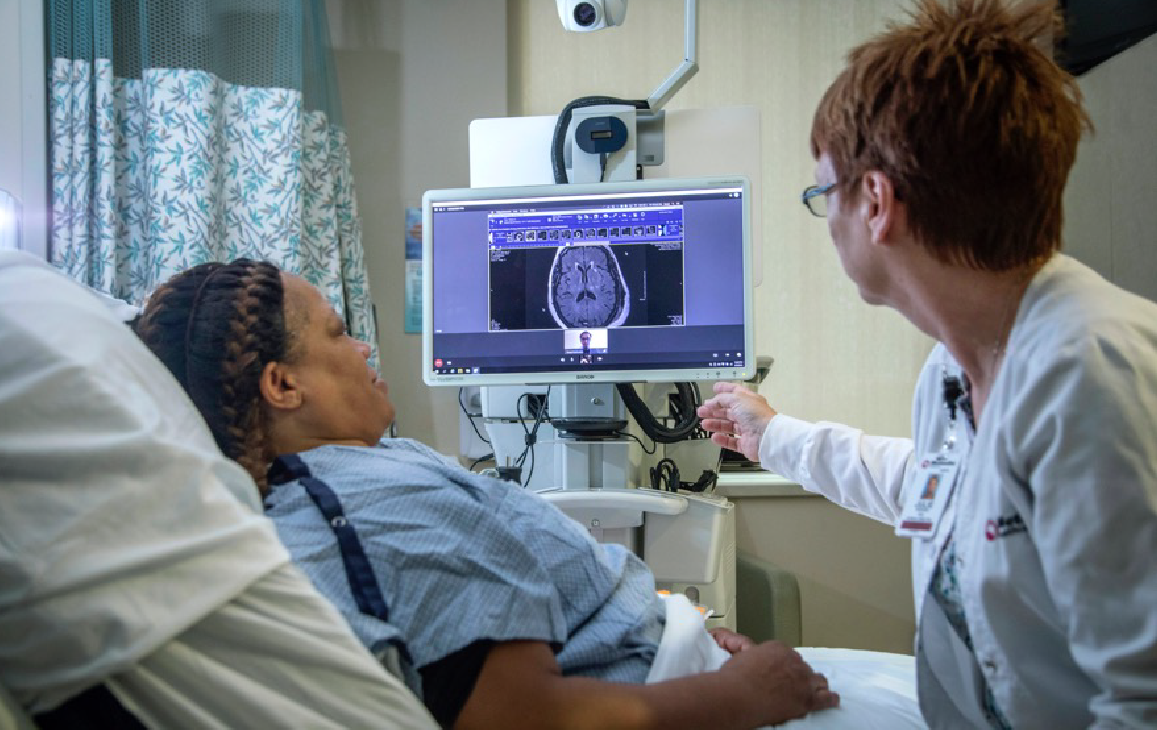
The neurology team uses a variety of tests to discover what’s causing symptoms — from testing memory and thinking skills to advanced imaging tests that take a closer look at your brain, spine and other areas of your body involved in vision, balance and movement. You can count on the latest diagnostic and treatment approaches from a highly skilled, compassionate team.
Back, Neck & Spine
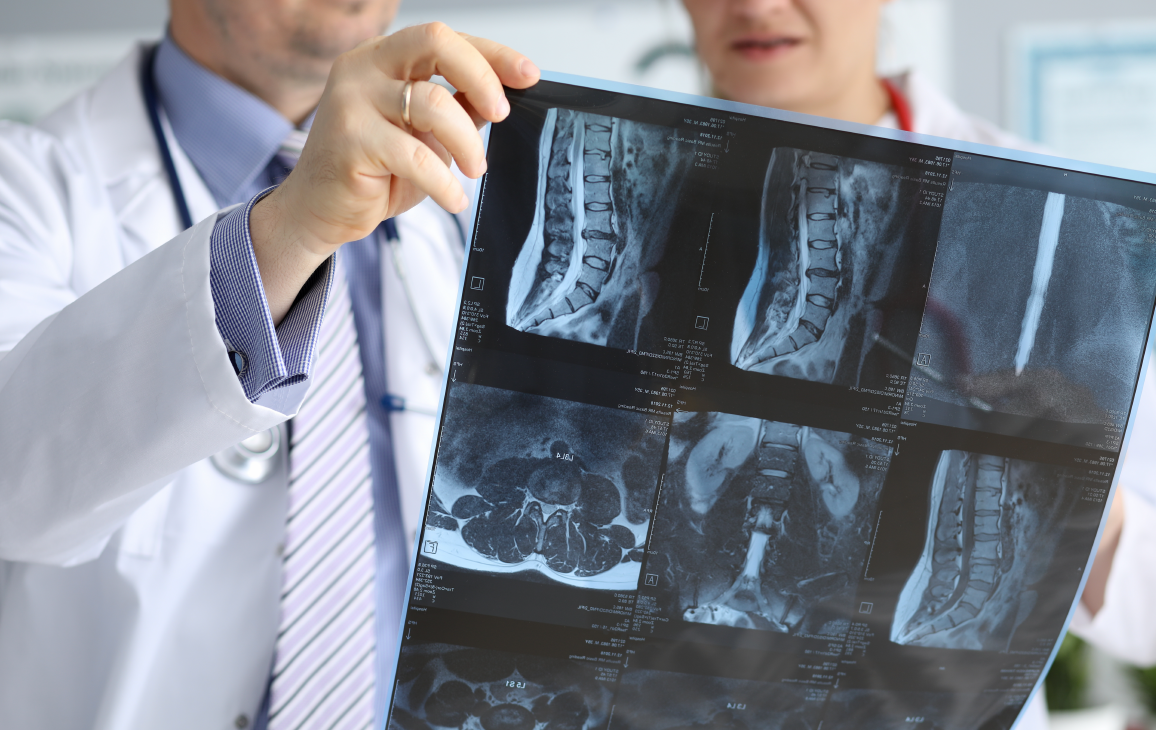
The health of your spine affects more than just how your back and neck feel. Your spine impacts how the rest of your body functions, and spine problems can cause pain or numbness throughout your body.
Brain & Skull-Base Tumors
We treat a wide range of brain and skull-base tumors. As an academic medical center, we offer leading-edge treatments, backed by the innovation and research of University of Tennessee Health Science Center.

Headache, Migraine & Facial Pain
When a headache, migraine or facial nerve pain stops you from feeling your best, you want relief. We discover what’s causing your pain and develop a plan to help you feel better as soon as possible. Neurologists work as a team with pain management specialists, nurses, physical therapists and other providers to develop treatment that lets you return to your life without pain.
Back, Neck & Spine (link)
The health of your spine affects more than just how your back and neck feel. Your spine impacts how the rest of your body functions, and spine problems can cause pain or numbness throughout your body. That’s why it’s so important to work with an experienced spine care team. Neurologists are experienced at finding and treating a full range of back, neck and spine conditions — from neck or low-back pain to spinal deformities, injuries and tumors.
Brain & Skull-Base Tumors [link to Brain & Skull-Base Tumors page]
Brain and skull-base tumors (near the bottom of the brain, such as a pituitary tumor) are growths of abnormal cells that can be cancerous (malignant) or noncancerous (benign). We treat a wide range of brain and skull-base tumors. As an academic medical center, we offer leading-edge treatments, backed by the innovation and research of University of Tennessee Health Science Center. Neurologists work as a team with specialists in cancer, rehabilitation therapies, pain management and other areas to give you complete care.
Headache, Migraine & Facial Pain [link to Headache, Migraine & Facial Pain page]
When a headache, migraine or facial nerve pain stops you from feeling your best, you want relief. We discover what’s causing your pain and develop a plan to help you feel better as soon as possible. Neurologists work as a team with pain management specialists, nurses, physical therapists and other providers to develop treatment that lets you return to your life without pain.
Memory Loss & Dementia
At times, we all have difficulty remembering things. But when older adults notice changes in thinking, memory or learning — or difficulty remembering how to do routine tasks — it could be a sign of dementia. Neurologists specialize in diagnosing and treating:
- Alzheimer’s disease and other types of dementia – Brain diseases that destroy nerve cells involved in thinking, memories and movement that worsen over time (progressive). Alzheimer’s is the most common form of dementia.
- Lewy body disease – The second most common type of dementia, which affects brain nerve cells involved in memory, thinking and movement.
- Mild cognitive impairment – Changes in thinking that are noticeable but don’t affect your ability to do everyday tasks. It may signal the early stages of Alzheimer’s disease or other types of dementia.
- Vascular dementia – Brain damage caused by a blockage of blood flow to the brain, such as from a stroke or another condition that harms blood vessels. It affects thinking, memory and other thought processes.
Whether you need guidance to improve your thinking skills or specialized dementia care, we offer treatments to enhance your abilities and gain confidence. You get customized care that focuses on your strengths and preserves your independence.
Multiple Sclerosis (MS)
MS damages the protective coating of nerves in the brain, optic nerve and spinal cord. It causes scarring that disrupts how these nerves communicate. This causes symptoms affecting vision and various body functions and movement, depending on where the nerve damage happens. Typically, symptoms come and go, but the disease can lead to permanent nerve damage.
Although MS progresses differently for each person, there are four phases of the disease:
- Clinically isolated syndrome – The first instance of inflammation or damage to nerves that causes symptoms.
- Relapsing-remitting MS – Instances of new or worsening symptoms (relapses), followed by partial or complete recovery (remissions).
- Secondary progressive MS – A continued worsening of symptoms over time.
- Primary progressive MS – Worsening symptoms from the onset of the disease without relapses or remissions.
Our neurologists are experts in diagnosing and treating MS. Because the disease affects each person differently, we personalize treatment to meet your needs. You get individual attention to relieve symptoms and slow the advancement of MS. We use the latest medicines and physical therapy approaches to help you feel your best.
Neuromuscular Disorders
Neuromuscular disorders affect the peripheral nervous system, which includes muscles and nerves that connect the brain and spinal cord to the rest of your body. These diseases cause muscle weakness.
We offer expert care for a full range of neuromuscular disorders, including:
- Amyotrophic lateral sclerosis (ALS or Lou Gehrig’s disease) – Ongoing disease that damages nerve cells in the spinal cord and brain, causing loss of muscle control.
- Guillain-Barre syndrome (GBS) – Condition in which the immune system attacks nerves, eventually leading to paralysis.
- Muscular dystrophy – Group of diseases caused by genetic changes (mutations) that prevent healthy muscle development.
- Myasthenia gravis – Disease that affects communication between muscles and nerves, causing muscle weakness and fatigue
- Neuropathy – Nerve damage that causes pain, tingling, numbness or weakness.
As an academic medical center, we use sophisticated approaches to accurately diagnose and treat neuromuscular diseases. That means you get the latest therapies to relieve symptoms and slow the advancement of the disease. You can count on personalized treatment from a team that’s focused on your health and well-being — you get individual attention and care tailored to your needs.
Parkinson’s & Movement Disorders
Movement disorders, including Parkinson’s disease, are illnesses that cause unintended, increased or reduced movements, such as lack of muscle control, shaking or repeated movements.
We offer comprehensive treatment, including nonsurgical options such as medicines and physical therapy, and advanced approaches such as deep brain stimulation [link to Neurocritical Care & Surgery]. We offer personalized treatment for:
- Ataxia – Difficulty controlling intended muscle movements involving balance and coordination, such as walking, hand and arm movements, swallowing and talking.
- Essential tremor – Disorder involving uncontrollable shaking that worsens over time.
- Huntington’s disease – Inherited disease that damages brain nerve cells and often leads to thinking and movement problems and mental health disorders
- Hydrocephalus – Fluid buildup that increases pressure in the brain.
- Parkinson’s disease – Worsening nerve and nervous system disorder that causes shaking. It can also cause slowed muscle movements and stiffness.
- Progressive supranuclear palsy – Ongoing disease that damages brain cells involved in muscle movement, coordination and thinking.
- Restless legs syndrome – Condition that causes leg discomfort and an uncontrollable need to move them, mainly when you’re sitting or lying down.
You can get a full spectrum of care from a team you can trust.
Seizures & Epilepsy
Seizures — electrical disruptions in the brain — can affect consciousness, movements, feelings or behaviors. You may have an increased risk of seizures due to your family history, abnormal blood vessels in the brain, stroke, brain tumor or injury, or infection. Seizures need immediate care to discover what’s causing them.
Neurologists are skilled in diagnosing and treating seizures and epilepsy (more than two seizures of unknown cause more than a day apart). We use sophisticated imaging tests, such as MRI, to diagnose epilepsy and offer a full range of therapies to prevent seizures — from medicines and special diets to advanced treatments such as deep brain stimulation and minimally invasive surgery [link to Neurocritical Care & Surgery].
Stroke & Cerebrovascular Diseases
A stroke happens when your brain's blood supply stops — either because a blood vessel leading to the brain bursts (hemorrhagic stroke) or is blocked by a clot (ischemic stroke). Brain cells die within minutes without this crucial blood supply. That's why every moment counts when it comes to treatment.
The Methodist Neuroscience Institute team is skilled in fast, expert care for strokes. Five Methodist hospitals have Comprehensive Stroke Center and Primary Stroke Center certifications, recognizing our excellence in stroke treatment. That means you can count on us for fast, lifesaving and comprehensive treatment for stroke and other cerebrovascular diseases — from brain aneurysms and carotid artery disease to intracranial stenosis, vascular malformations and more.
Traumatic Brain Injuries
We treat a full range of traumatic brain injuries, from mild traumatic brain injuries (concussions) to severe head injuries that require advanced treatment and rehabilitation. Whether the injury is caused by a car crash, sports injury, fall or another accident, our neurologists are here to provide expert care for:
- Concussions
- Post-concussive syndrome
- Penetrating head injuries that damage brain tissue
Head injuries can affect thinking, memories, mood and how you move. That means you may need additional care to help you manage these changes after the injury. Our neurologists work closely with rehabilitation specialists to help you regain skills and confidence after an accident. We understand that changes after a traumatic brain injury — both temporary and permanent — can be concerning, and our team is here for you every step of your recovery journey.